Bitcoin Output Descriptors: The Hidden Key to Understanding Modern Wallets
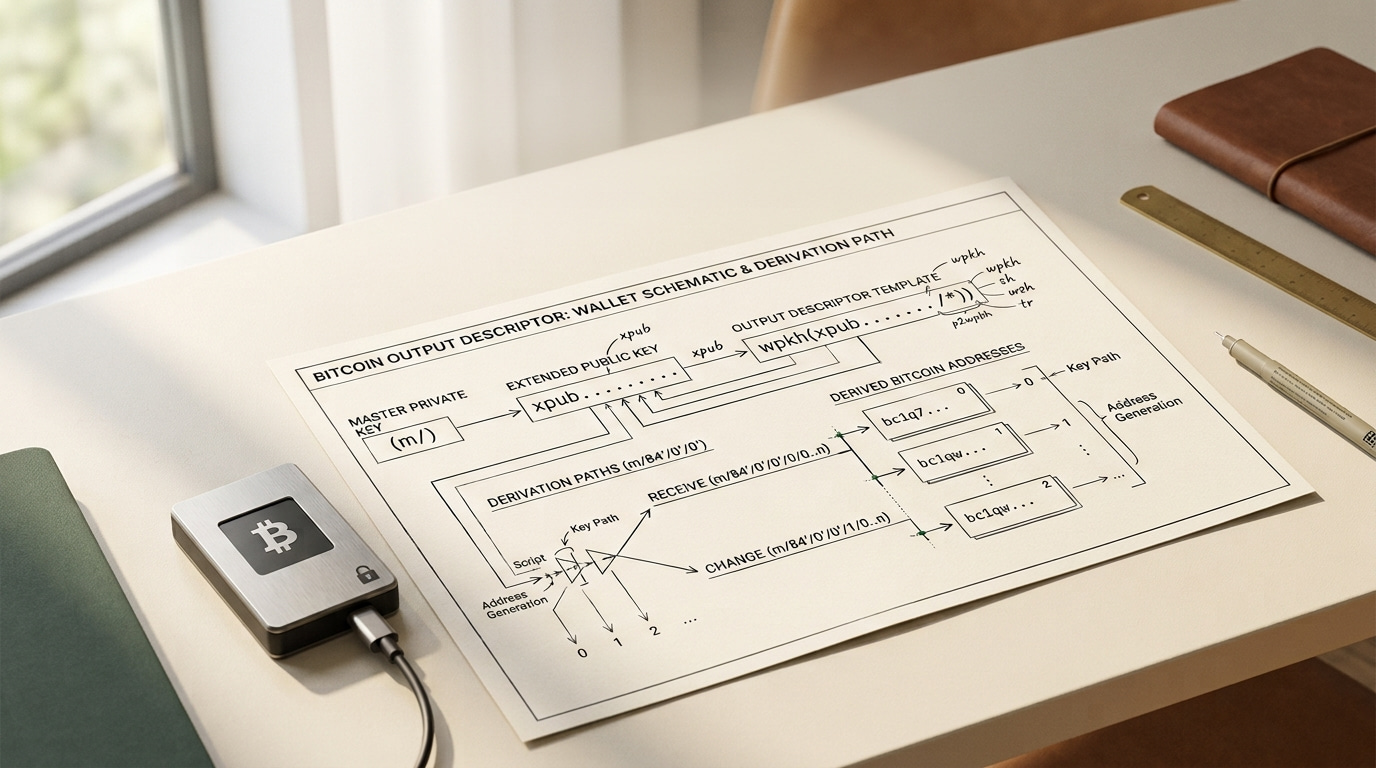
If you’ve ever looked at advanced Bitcoin wallet software, you may have encountered a strange-looking string such as wpkh(…), tr(…), or wsh(multi(…)). At first glance, these strings can look like programming code. They are actually something much more useful. They are called Bitcoin output descriptors. An output descriptor is a standardized way of describing the … Read more
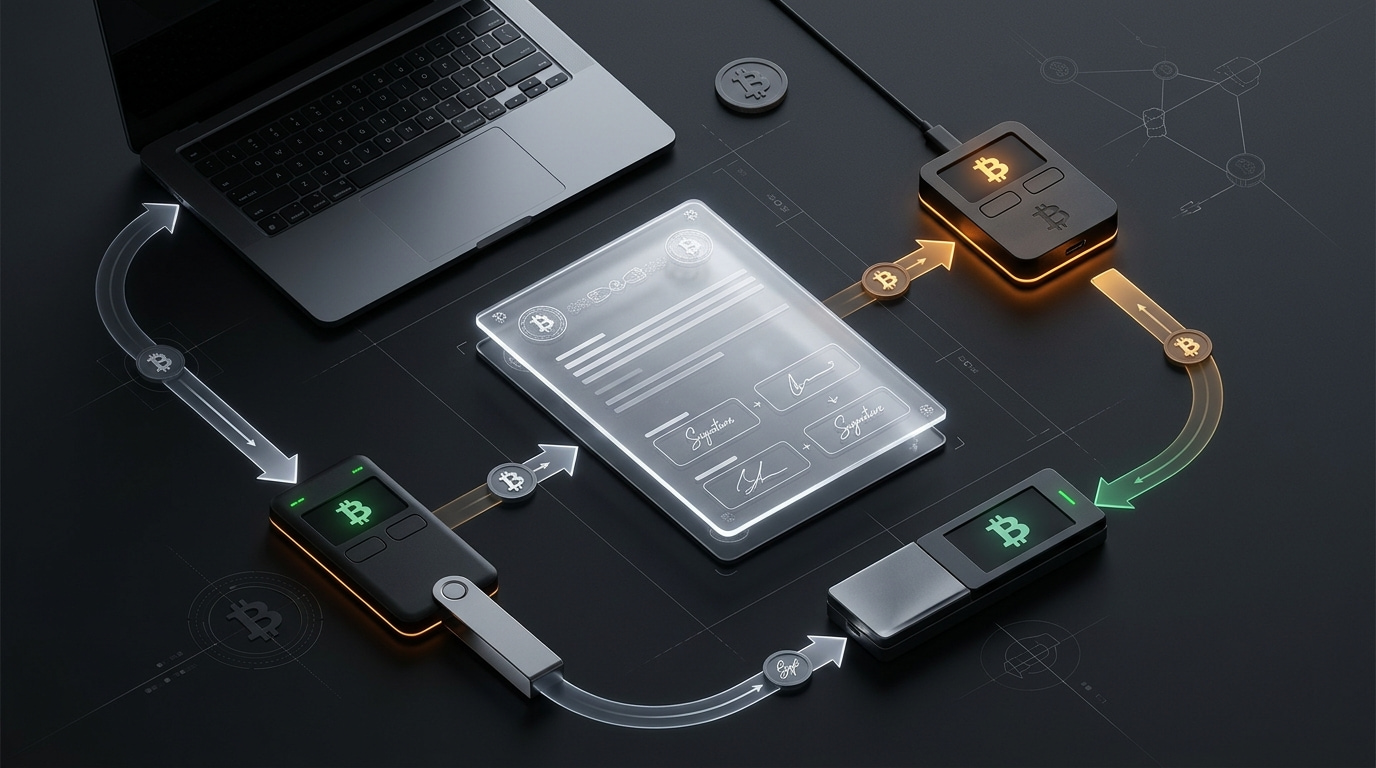
What Is a PSBT? Everything You Need to Know About Partially Signed Bitcoin Transactions

Bitcoin transactions can look simple from the outside. You send Bitcoin to an address, the network verifies the transaction, miners include it in a block, and the recipient eventually receives their funds. But what happens when more than one person, wallet, or device needs to participate in creating and signing the same transaction? This is … Read more

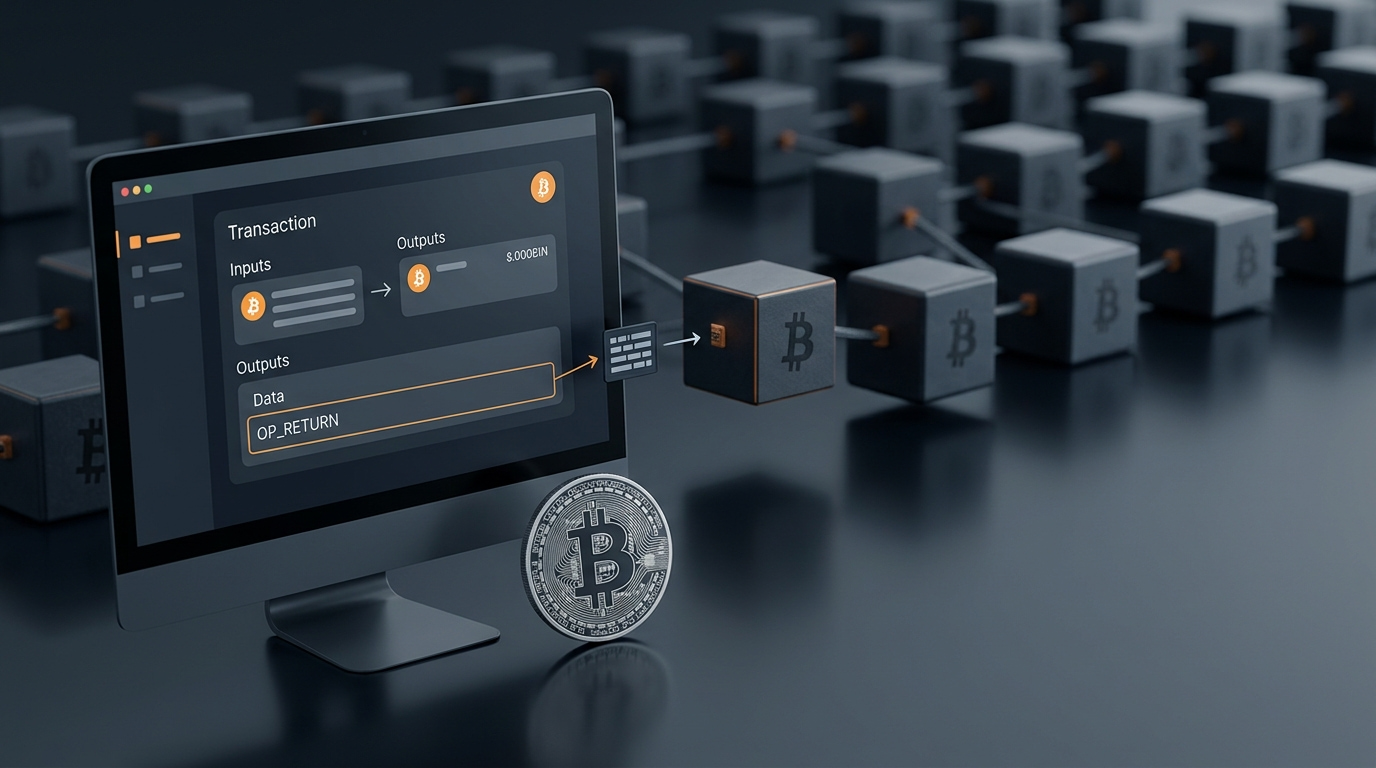
Bitcoin OP_RETURN Explained: How Data Gets Stored on the Blockchain

Bitcoin is primarily designed to transfer and secure value, but the Bitcoin blockchain can also contain small amounts of information that aren’t directly related to transferring BTC. One of the Bitcoin features that makes this possible is OP_RETURN. If you’ve explored Bitcoin transactions, block explorers, Ordinals, or Bitcoin Runes, you may have come across the … Read more

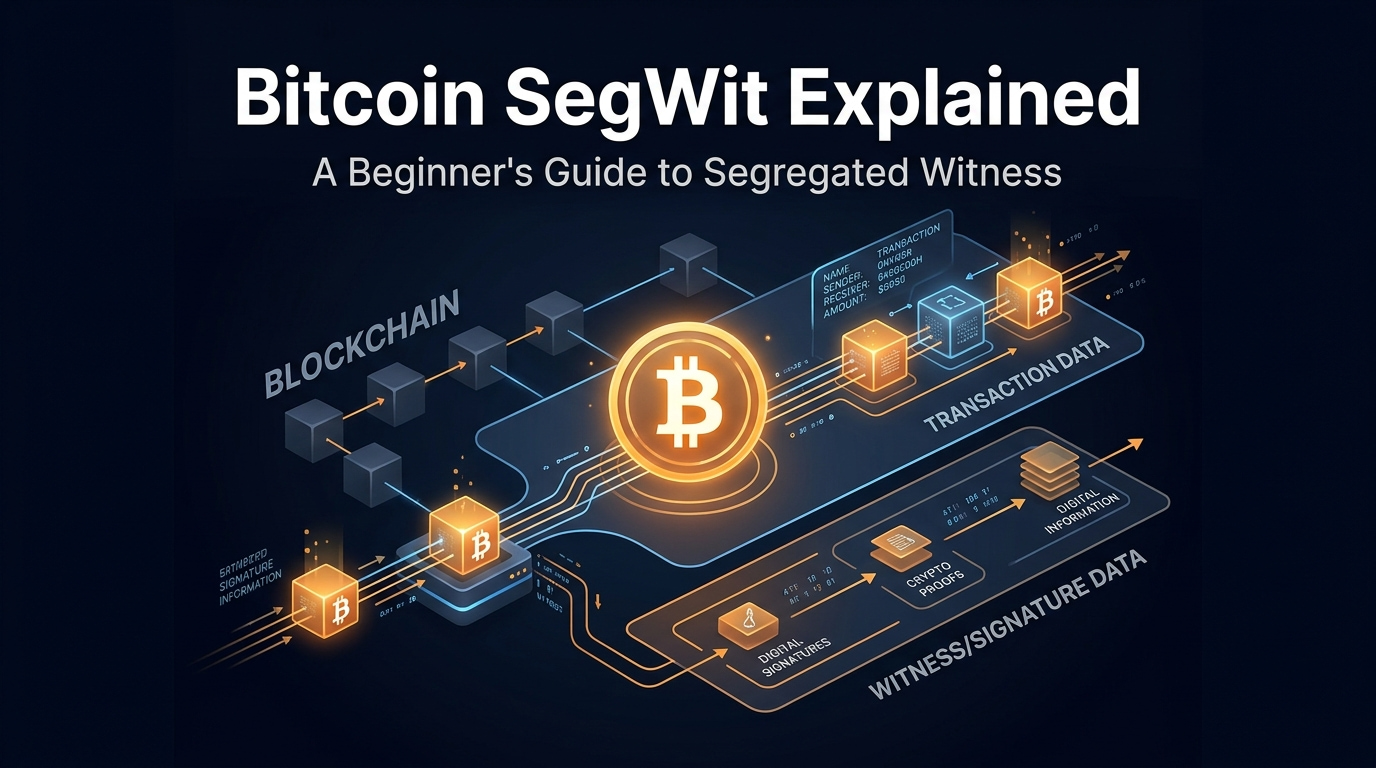
Why SegWit Changed Bitcoin Forever

Bitcoin has gone through several important technical upgrades since its launch in 2009. One of the most significant was Segregated Witness, commonly called SegWit. SegWit changed how certain information is stored inside Bitcoin transactions. The upgrade helped address transaction malleability, increased the effective capacity of Bitcoin blocks, and created a foundation for later developments such … Read more

Is Bitcoin Really Anonymous? The Truth About CoinJoin

Bitcoin is often described as anonymous, but that’s not quite accurate. Bitcoin transactions don’t normally contain your name, home address, or phone number. However, transactions are recorded permanently on a public blockchain, meaning anyone can examine the movement of Bitcoin between addresses. This makes Bitcoin better described as pseudonymous rather than completely anonymous. If someone … Read more

The Tiny Bitcoin Amounts You Can’t Actually Spend

Bitcoin transactions can involve amounts ranging from millions of dollars to just a few satoshis. But extremely small Bitcoin amounts can create a problem that many beginners don’t discover until they start examining their transactions more closely. These tiny amounts are commonly referred to as Bitcoin dust. Bitcoin dust isn’t a separate type of Bitcoin, … Read more

What Is Bitcoin Multisig? A Beginner’s Guide to Multi-Signature Bitcoin Wallets

If you have ever wondered how a business can protect Bitcoin without trusting a single person with complete control, Bitcoin multisig is one of the most important concepts to understand. A multisignature wallet can require multiple private keys to approve a Bitcoin transaction instead of relying on just one key. This can reduce the risks … Read more

What Is Bitcoin Script? A Beginner’s Guide to Bitcoin’s Scripting Language

When people first learn how Bitcoin works, they usually hear about wallets, private keys, blocks, miners, and transactions. But there is another important piece of Bitcoin’s architecture that often gets overlooked: Bitcoin Script. Bitcoin Script is the programming language used to define the conditions under which Bitcoin can be spent. It is what allows a … Read more

What Are Bitcoin Runes? A Beginner’s Guide to Bitcoin’s Fungible Tokens

Bitcoin was originally designed primarily as a decentralized digital currency. But over the years, developers have found new ways to use Bitcoin’s blockchain for more than simply transferring BTC. One of the more recent developments is Bitcoin Runes. The Runes Protocol is a system for creating and managing fungible tokens on the Bitcoin blockchain. That … Read more