








In recent years, Bitcoin has transformed from a niche technological experiment into one of the most talked-about financial innovations in the world. Whether you are a seasoned investor, a technology enthusiast, or someone who has simply heard the term “Bitcoin” in the news, understanding what Bitcoin is and how it works has become increasingly important in today’s digital age.
Bitcoin represents a new way of thinking about money. Unlike traditional currencies controlled by governments and central banks, Bitcoin operates on a decentralized network that allows people to send and receive funds directly without relying on intermediaries. This revolutionary approach has sparked global interest and debate, leading many experts to consider Bitcoin a significant part of the future of finance.
What Is Bitcoin?
Bitcoin is a digital currency, often referred to as a cryptocurrency. It was introduced in 2009 by an anonymous individual or group using the name Satoshi Nakamoto. Unlike traditional money such as dollars, euros, or pounds, Bitcoin exists entirely online and is not issued by any government or financial institution.
Bitcoin operates on a technology called blockchain, which serves as a public ledger that records every transaction made on the network. This ledger is maintained by thousands of computers worldwide, making it highly secure and resistant to fraud.
The primary goal of Bitcoin was to create a peer-to-peer payment system that enables people to transfer value directly to one another without the need for banks or payment processors.
How Does Bitcoin Work?
To understand Bitcoin, it’s essential to understand the blockchain technology behind it.
A blockchain is a chain of digital blocks containing transaction information. Whenever someone sends Bitcoin to another person, the transaction is verified by a network of computers known as miners. Once verified, the transaction is added to a block and permanently recorded on the blockchain.
This decentralized verification process eliminates the need for a central authority while ensuring transparency and security.
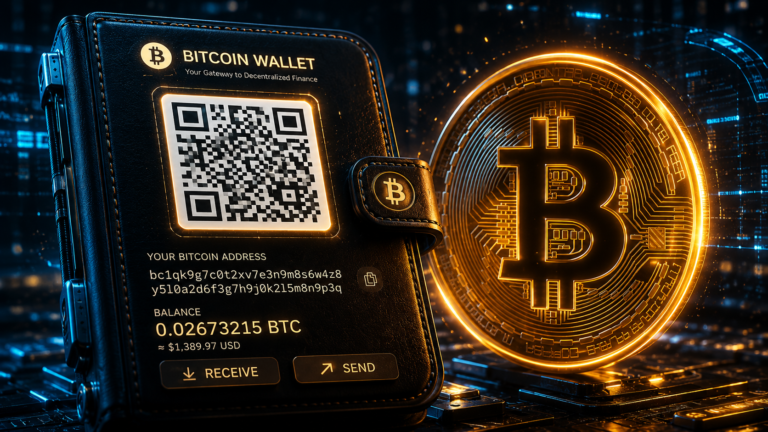
Each Bitcoin user has a digital wallet containing two important components:
- A public key, which acts like an account number.
- A private key, which serves as a password and should never be shared.
When users send Bitcoin, they use their private keys to authorize transactions securely.
Why Is Bitcoin So Popular?
Bitcoin’s popularity has grown rapidly due to several unique advantages.
1. Decentralization
Unlike traditional financial systems controlled by governments and banks, Bitcoin operates independently. No single entity has control over the network, making it less vulnerable to political influence or centralized failures.
2. Limited Supply
One of Bitcoin’s most attractive features is its scarcity. Only 21 million Bitcoins will ever exist. This fixed supply helps protect Bitcoin from inflation, unlike traditional currencies that can be printed in unlimited amounts.
3. Global Accessibility
Anyone with an internet connection can access Bitcoin. This makes it particularly valuable in regions where traditional banking services are limited or unavailable.
4. Security
Bitcoin transactions are secured using advanced cryptographic techniques. The decentralized nature of the blockchain makes it extremely difficult for hackers to manipulate transaction records.
5. Transparency
Every Bitcoin transaction is publicly recorded on the blockchain. While users remain relatively anonymous, the transaction history remains transparent and verifiable.
Bitcoin as an Investment
Over the years, Bitcoin has attracted significant attention from investors. Early adopters who purchased Bitcoin when it was worth only a few dollars saw tremendous returns as its value increased dramatically.
Today, many investors view Bitcoin as “digital gold” because of its scarcity and potential to store value over time.
Several factors contribute to Bitcoin’s investment appeal:
- Growing institutional adoption
- Increasing public awareness
- Limited supply
- Potential protection against inflation
- Global demand for decentralized assets
However, Bitcoin is also known for its volatility. Prices can rise or fall significantly within short periods, making it a high-risk investment.
Before investing, individuals should carefully research the market and only invest money they can afford to lose.
Advantages of Bitcoin
Bitcoin offers several benefits that distinguish it from traditional payment systems.
Fast International Transfers
Traditional international bank transfers can take several days to complete and often involve high fees. Bitcoin transactions can be processed much faster, regardless of geographic location.
Lower Transaction Costs
In many cases, Bitcoin transactions involve lower fees than traditional financial services, especially for cross-border payments.
Financial Inclusion
Millions of people around the world do not have access to banking services. Bitcoin provides an alternative financial system that only requires internet access.
Ownership and Control
Users maintain direct control over their funds without relying on banks or third parties.
Challenges and Risks of Bitcoin
Despite its many advantages, Bitcoin faces several challenges.
Price Volatility
Bitcoin’s price can fluctuate dramatically. While some investors benefit from these movements, others may experience substantial losses.
Regulatory Uncertainty
Governments around the world continue to develop regulations regarding cryptocurrency use. Changes in regulations can impact Bitcoin’s adoption and value.
Security Responsibility
While the Bitcoin network itself is highly secure, users are responsible for protecting their wallets and private keys. Losing access to a wallet can result in permanent loss of funds.
Environmental Concerns
Bitcoin mining requires significant computational power, which consumes large amounts of electricity. This has raised concerns about the environmental impact of cryptocurrency mining operations.
The Role of Blockchain Technology
While Bitcoin receives most of the attention, the underlying blockchain technology may have an even broader impact on society.
Blockchain technology has potential applications in:
- Supply chain management
- Healthcare records
- Voting systems
- Digital identity verification
- Real estate transactions
- Financial services
Its ability to provide secure, transparent, and tamper-resistant records makes it valuable across many industries.
As blockchain technology continues to evolve, new use cases are emerging that could reshape how businesses and governments operate.
Is Bitcoin the Future of Money?
The question of whether Bitcoin will become the future of money remains a topic of ongoing debate.
Supporters believe Bitcoin offers a more efficient, transparent, and decentralized financial system. They argue that increasing adoption by individuals, businesses, and institutions indicates a growing role in the global economy.
Critics, however, point to its volatility, regulatory challenges, and scalability issues as obstacles to widespread adoption.
The reality may lie somewhere in between. Bitcoin may not completely replace traditional currencies, but it could become an important component of the future financial landscape.
Many major companies, financial institutions, and investment firms have already embraced Bitcoin in various ways, demonstrating that digital assets are becoming increasingly mainstream.
How to Get Started with Bitcoin
For those interested in exploring Bitcoin, the process is relatively straightforward.
Step 1: Learn the Basics
Understanding how Bitcoin works is essential before making any financial decisions.
Step 2: Choose a Reputable Exchange
Cryptocurrency exchanges allow users to buy, sell, and store Bitcoin. Always select a platform with strong security measures and a good reputation.
Step 3: Create a Secure Wallet
A digital wallet helps store Bitcoin safely. Hardware wallets are generally considered the most secure option.
Step 4: Start Small
Beginners should consider starting with a small investment while gaining experience and understanding market behavior.
Step 5: Prioritize Security
Enable two-factor authentication, use strong passwords, and never share private keys with anyone.
Conclusion
Bitcoin has emerged as one of the most significant financial innovations of the 21st century. By introducing a decentralized, secure, and transparent form of digital currency, it has challenged traditional ideas about money and finance.
Although Bitcoin faces challenges such as price volatility, regulatory uncertainty, and environmental concerns, its influence continues to grow worldwide. Investors, businesses, and governments are increasingly exploring its potential, while blockchain technology opens new possibilities across numerous industries.
Whether Bitcoin ultimately becomes the dominant digital currency or serves as a foundation for future innovations, its impact on the global financial system is undeniable. Understanding Bitcoin today is not just about learning a new technology—it’s about preparing for a rapidly evolving digital future.