What is BIP-340? The Hidden Tech Powering the Future of Bitcoin Privacy

Bitcoin relies on cryptography every time someone spends BTC. When you send Bitcoin, your wallet doesn’t simply tell the network, “I own these coins.” Instead, your wallet uses a private key to create a digital signature that proves the transaction was authorized by the person who controls the corresponding key. For many years, Bitcoin used … Read more
What Is BIP-329? The Simple Guide to Bitcoin Wallet Labels

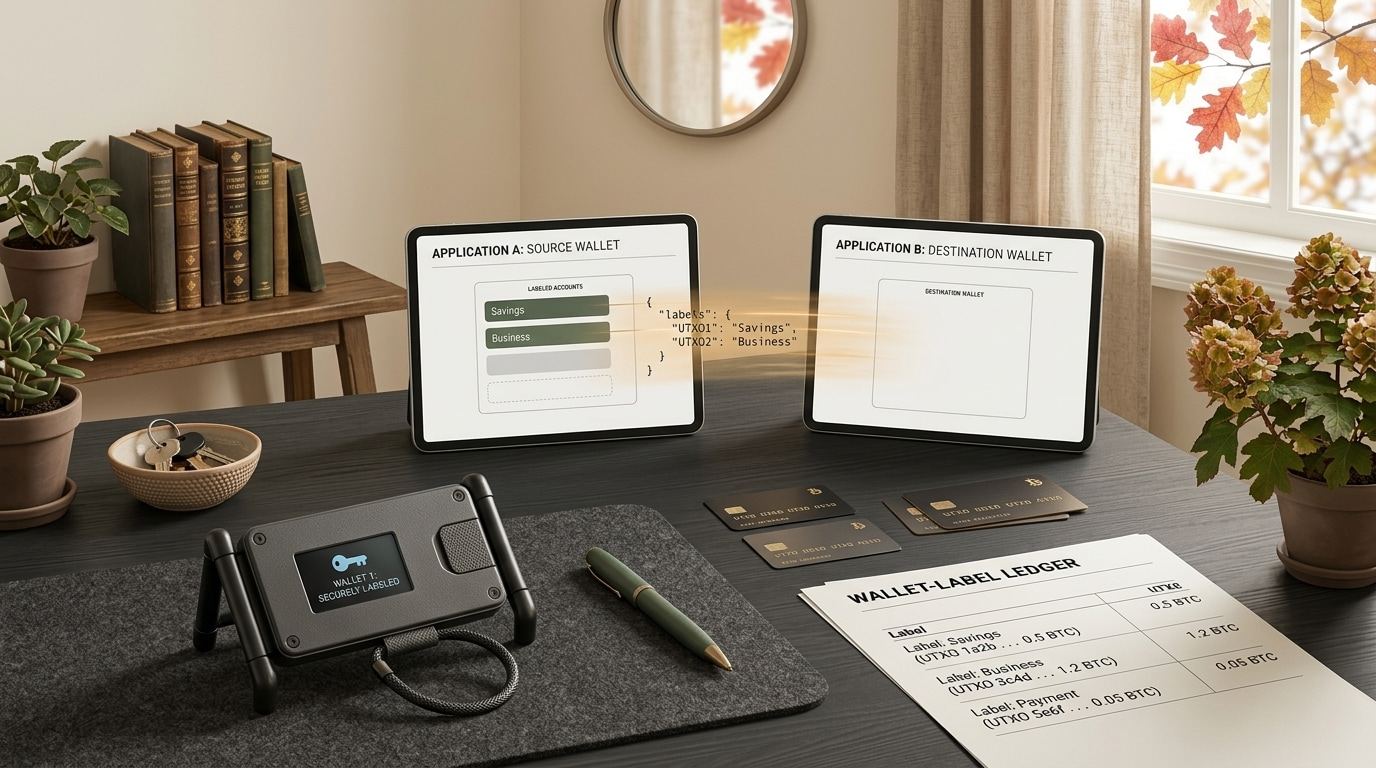
If you’ve ever used a Bitcoin wallet, you’ve probably seen labels such as “Salary,” “Exchange,” “Savings,” or “Cold Storage.” These labels help you understand what your transactions and addresses represent. But what happens when you switch wallets? This is the problem BIP-329 tries to solve. BIP-329, formally called the Wallet Labels Export Format, proposes a … Read more

BIP322 Guide: How to Prove Bitcoin Funds (Without Moving Coins)

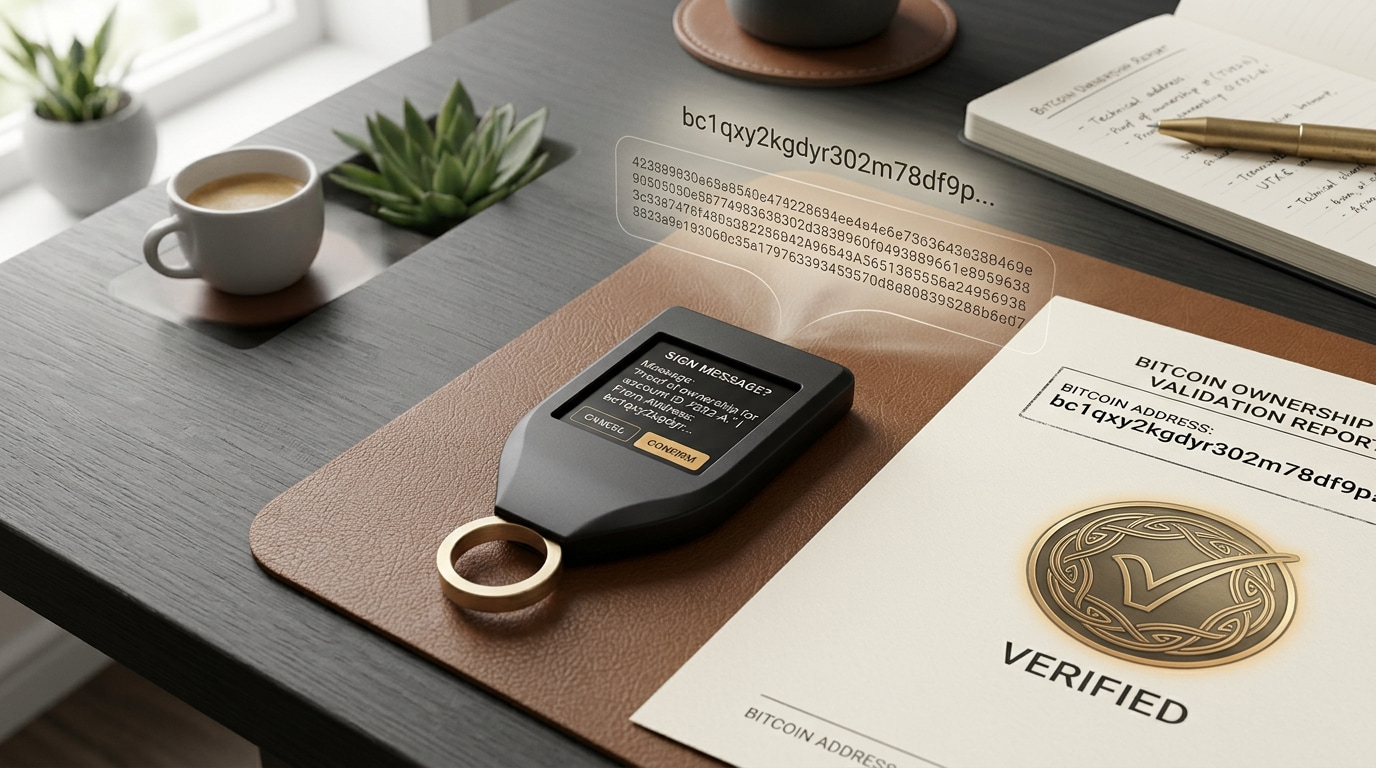
BIP322 is a Bitcoin standard for signing messages with Bitcoin addresses and scripts. It allows someone to prove that they can satisfy the spending conditions associated with a Bitcoin address without broadcasting an actual Bitcoin transaction. In simple terms, imagine someone asks: “Can you prove that you control this Bitcoin address?” Instead of sending them … Read more

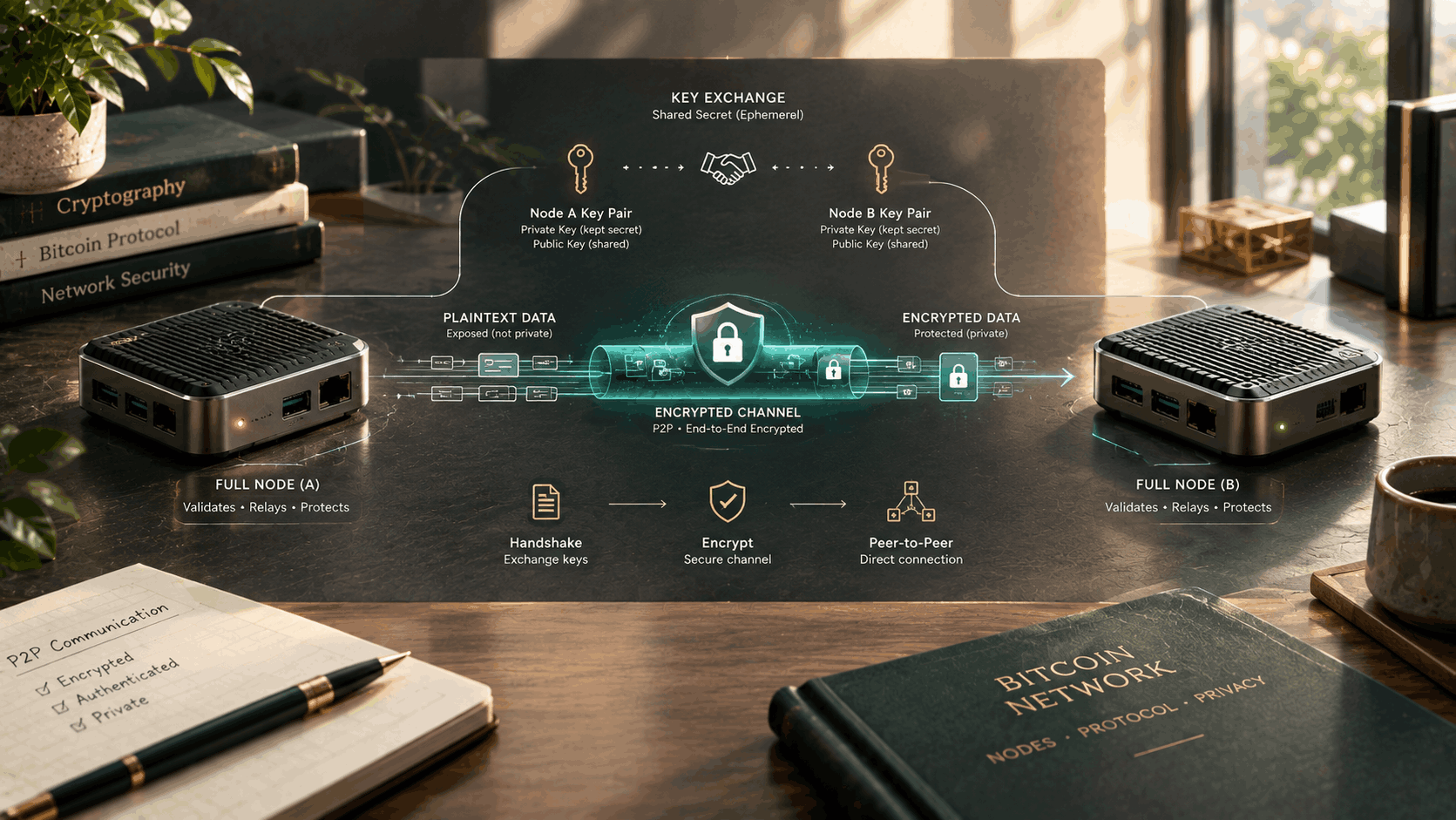
How BIP 324 Protects Your Bitcoin Wallet from Hidden Surveillance

Bitcoin is often described as a transparent financial network because its blockchain is public. But there is another part of Bitcoin that most beginners rarely think about: How do Bitcoin computers actually communicate with each other? Before BIP 324, Bitcoin’s peer-to-peer network mainly communicated using an unencrypted protocol known as P2P protocol version 1, or … Read more

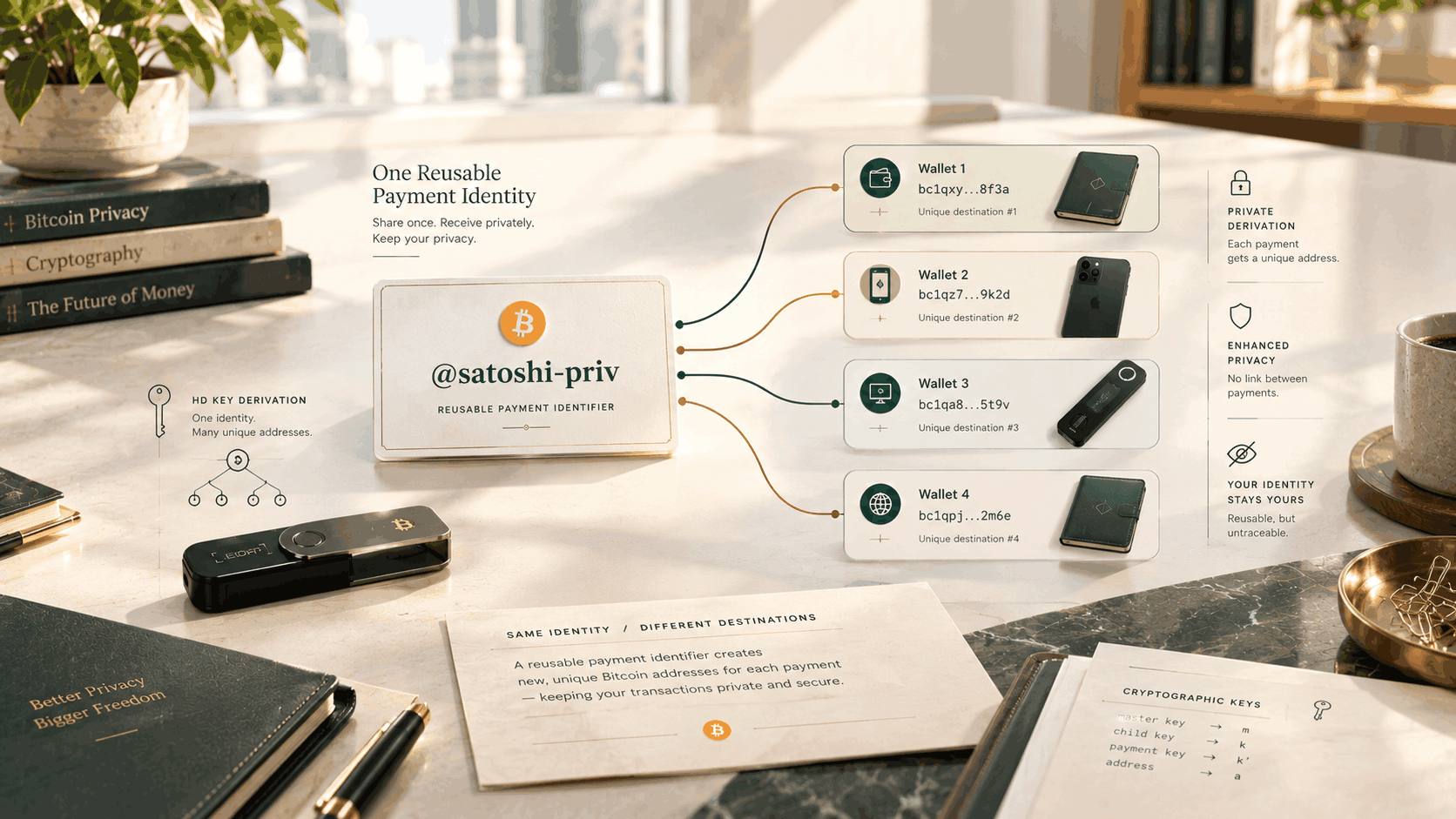
BIP 47 Explained: The Bitcoin Privacy Feature You Probably Haven’t Heard Of

Bitcoin addresses are designed to receive Bitcoin, but repeatedly publishing the same address can create privacy problems. If you use one Bitcoin address for every payment, anyone who can identify that address may be able to look at its transaction history on the public blockchain. This creates an interesting challenge. You want people to have … Read more

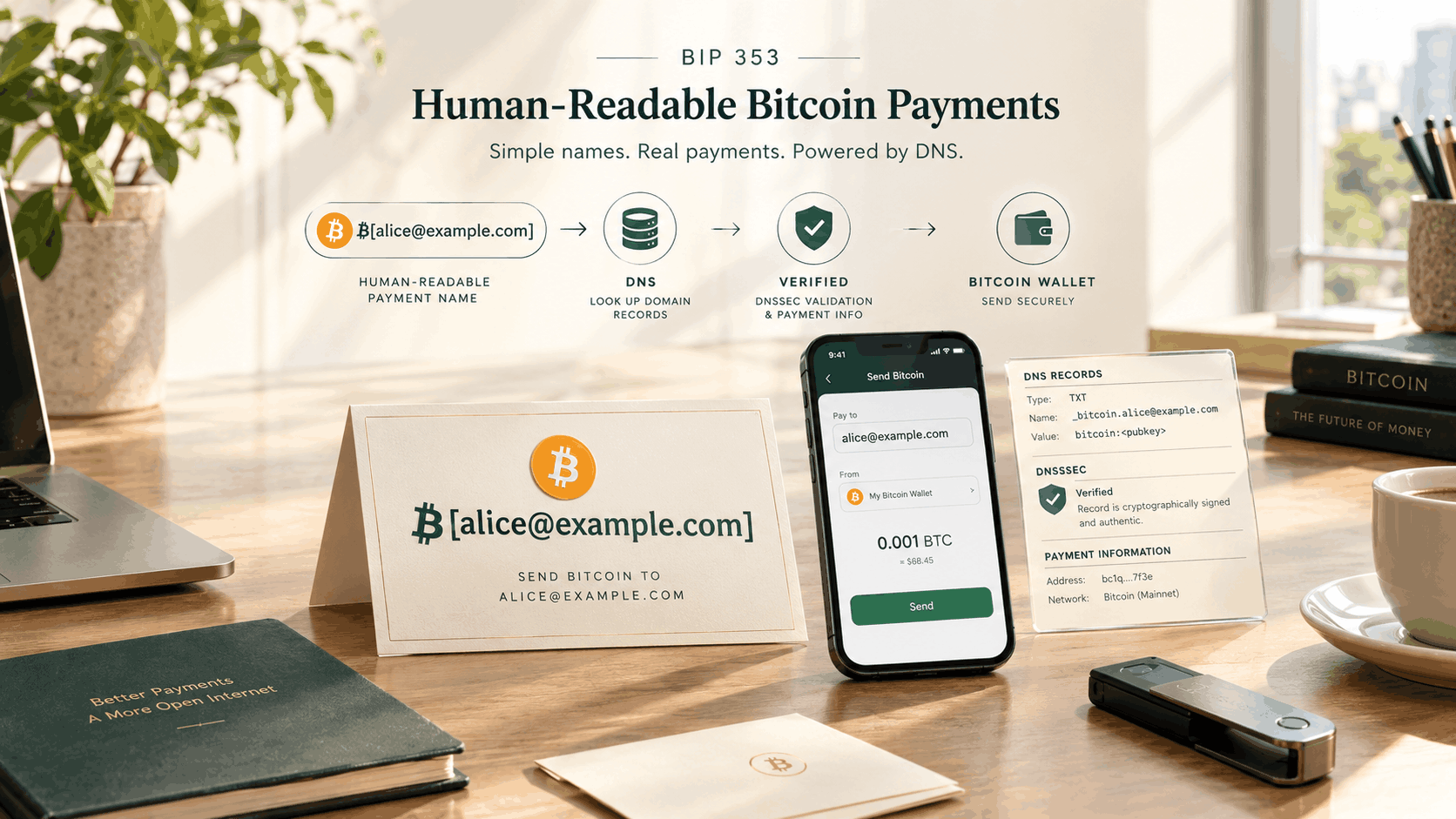
Bitcoin Payment Links & QR Codes: What Is a Bitcoin Payment URI?

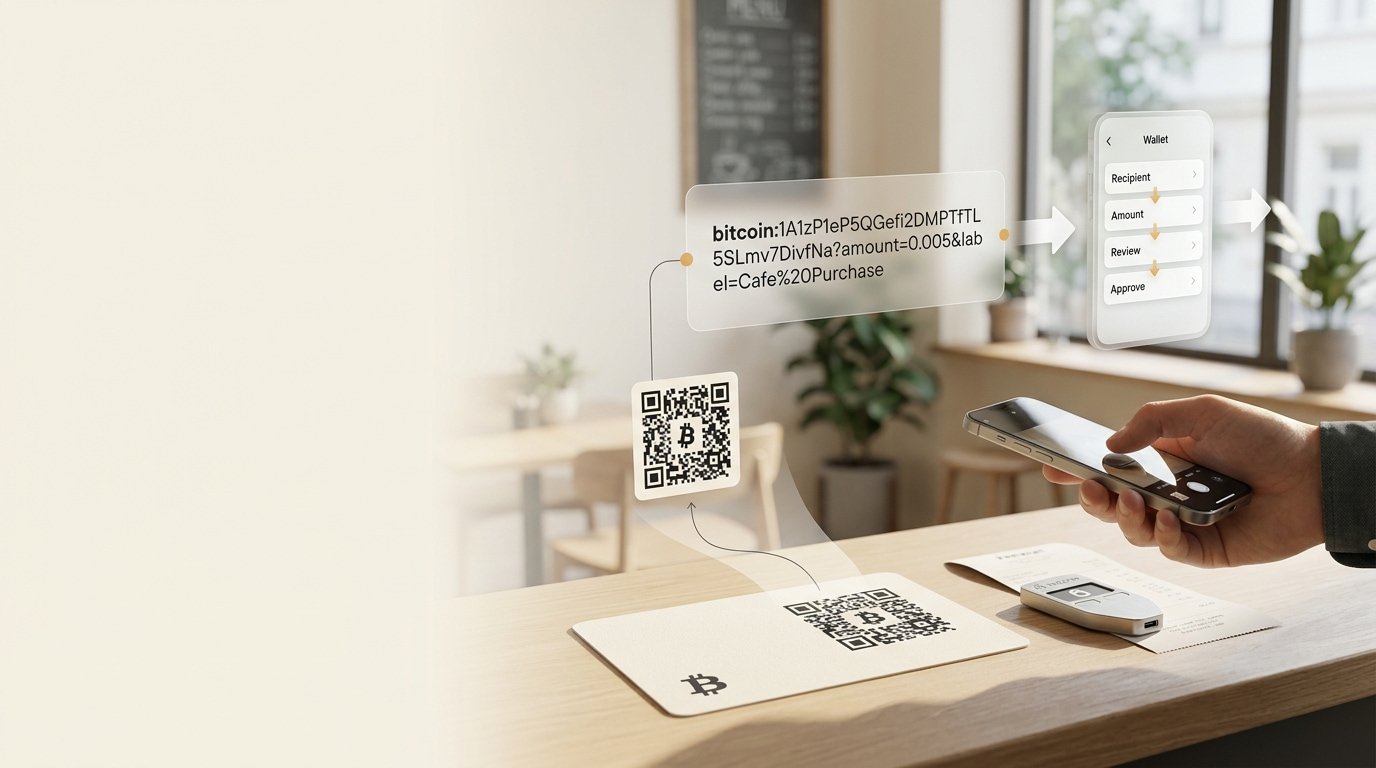
Sending Bitcoin normally means entering or scanning a Bitcoin address, choosing an amount, and reviewing the transaction before confirming it. But there is an easier way. You may have seen a Bitcoin QR code on a website, donation page, invoice, or payment screen. When you scan it with a compatible wallet, the wallet can automatically … Read more

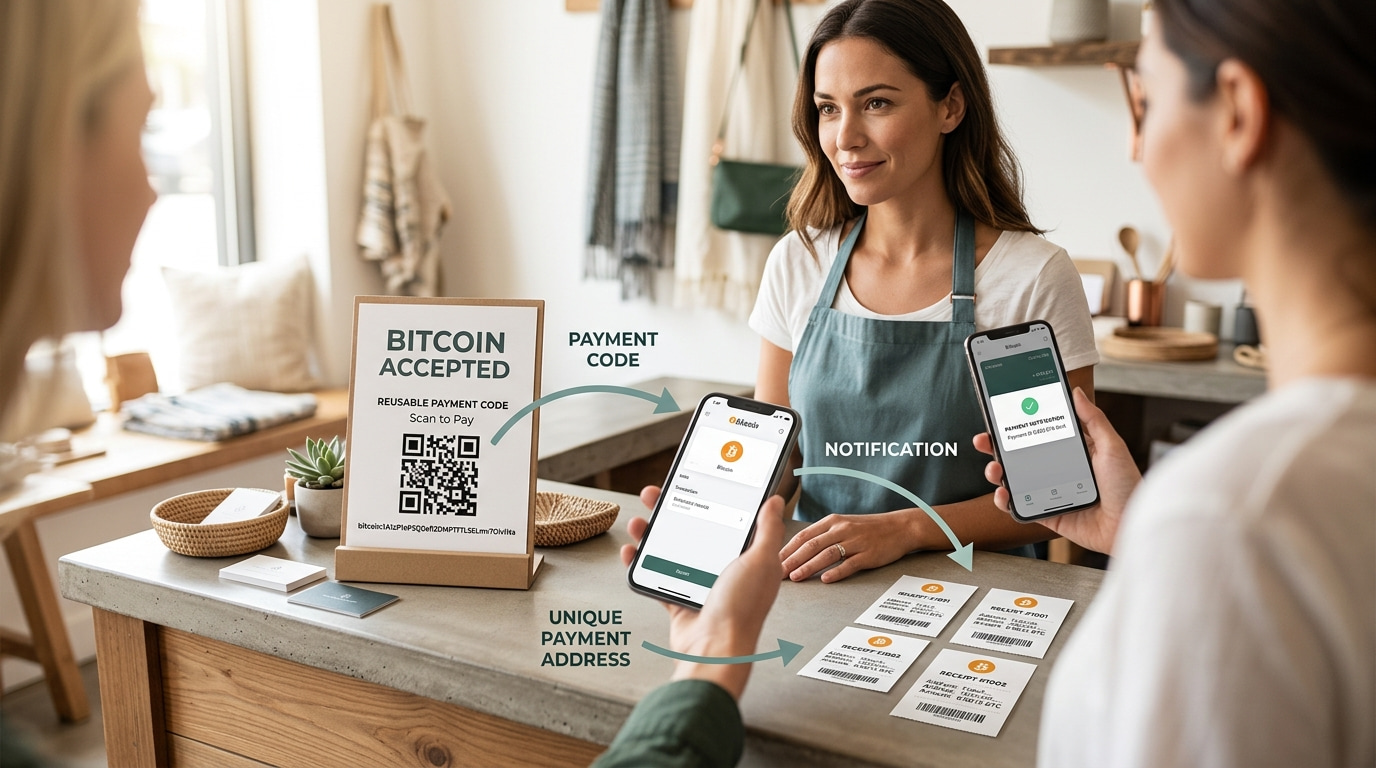
Bitcoin Silent Payments Explained: How to Send Bitcoin Privately Without Revealing Your Address

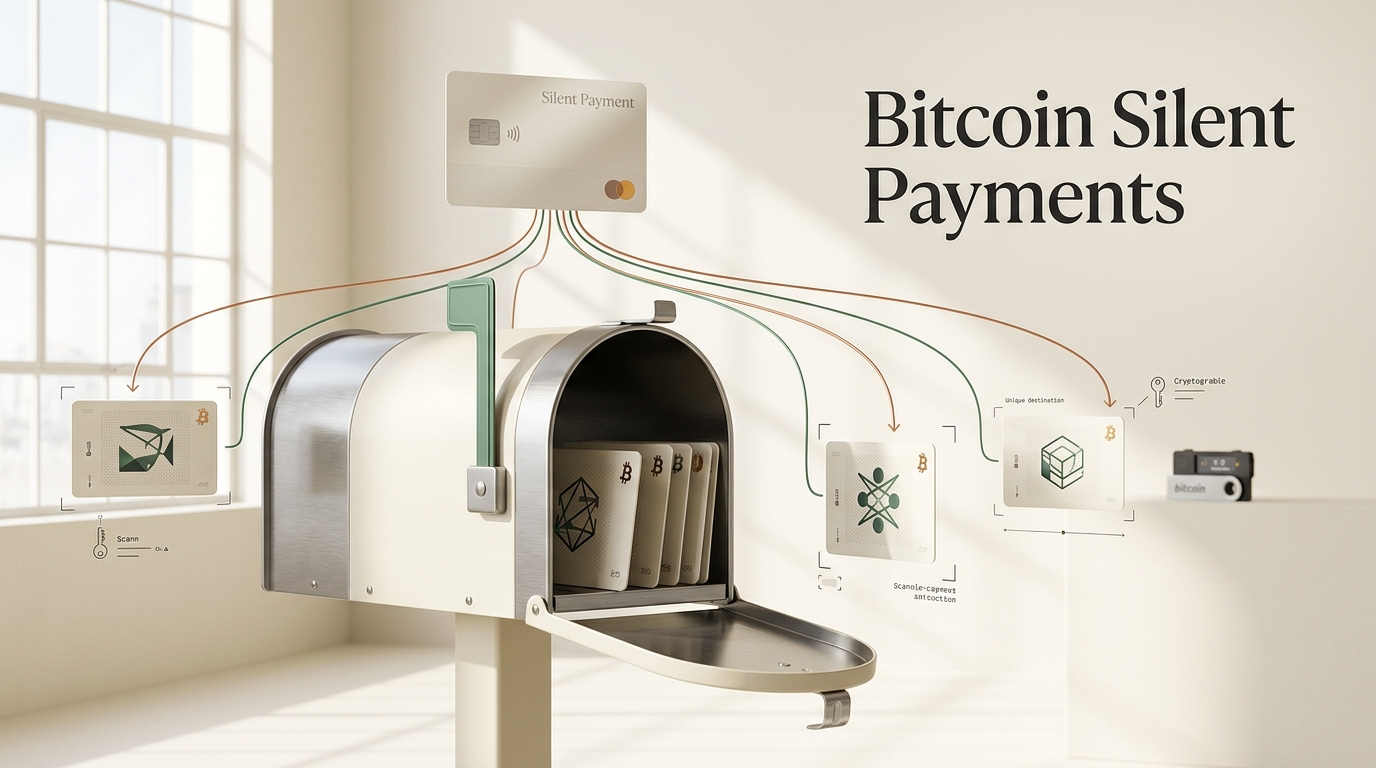
Bitcoin transactions are public by design. Anyone can inspect the blockchain and see transaction details such as inputs, outputs, amounts, and the addresses or scripts involved. That transparency is useful, but it also creates privacy challenges. One of the most important examples is Bitcoin address reuse. If someone repeatedly receives Bitcoin using the same address, … Read more

Bitcoin Miniscript Explained: How It Changes the Way Bitcoin Can Be Spent

Bitcoin is often described as digital money, but there is another important part of Bitcoin that beginners sometimes overlook: programmable spending conditions. Bitcoin does not simply ask, “Who owns these coins?” Instead, Bitcoin transactions can contain rules that determine what conditions must be satisfied before those coins can be spent. These rules are created using … Read more